Home
search icon Book Appointment

Main navigation

  • GET STARTED
    • Why Rose
    • What to Expect
    • FAQ / INSURANCE
  • YOUR TEAM
  • What We Do
    • Services
    • BLOG
  • Locations
  • Shop
  • Contact Us

Anonymous's blog

Three advantages to using Blood Flow Restriction (BFR) after surgery ">Three advantages to using Blood Flow Restriction (BFR) after surgery
blood flow restriction bfr physical therapy washington dc

Three advantages to using blood flow restriction for recoery from surgery are its speed, its effectiveness with less stress on the patient, and it's generally helpful for any patient.

Three Advantages to Blood Flow Restriction (BFR) After Surgery 

After orthopedic surgeries like a rotator cuff repair, knee replacement, or hip replacement your muscles will quickly begin to become weaker due to lack of use and pain during the recovery process. While traditional physical therapy is adequate at helping the recovery process, here at Rose Physical Therapy we have the most effective and researched-based interventions to speed up your recovery times. One of which is blood flow restriction. 

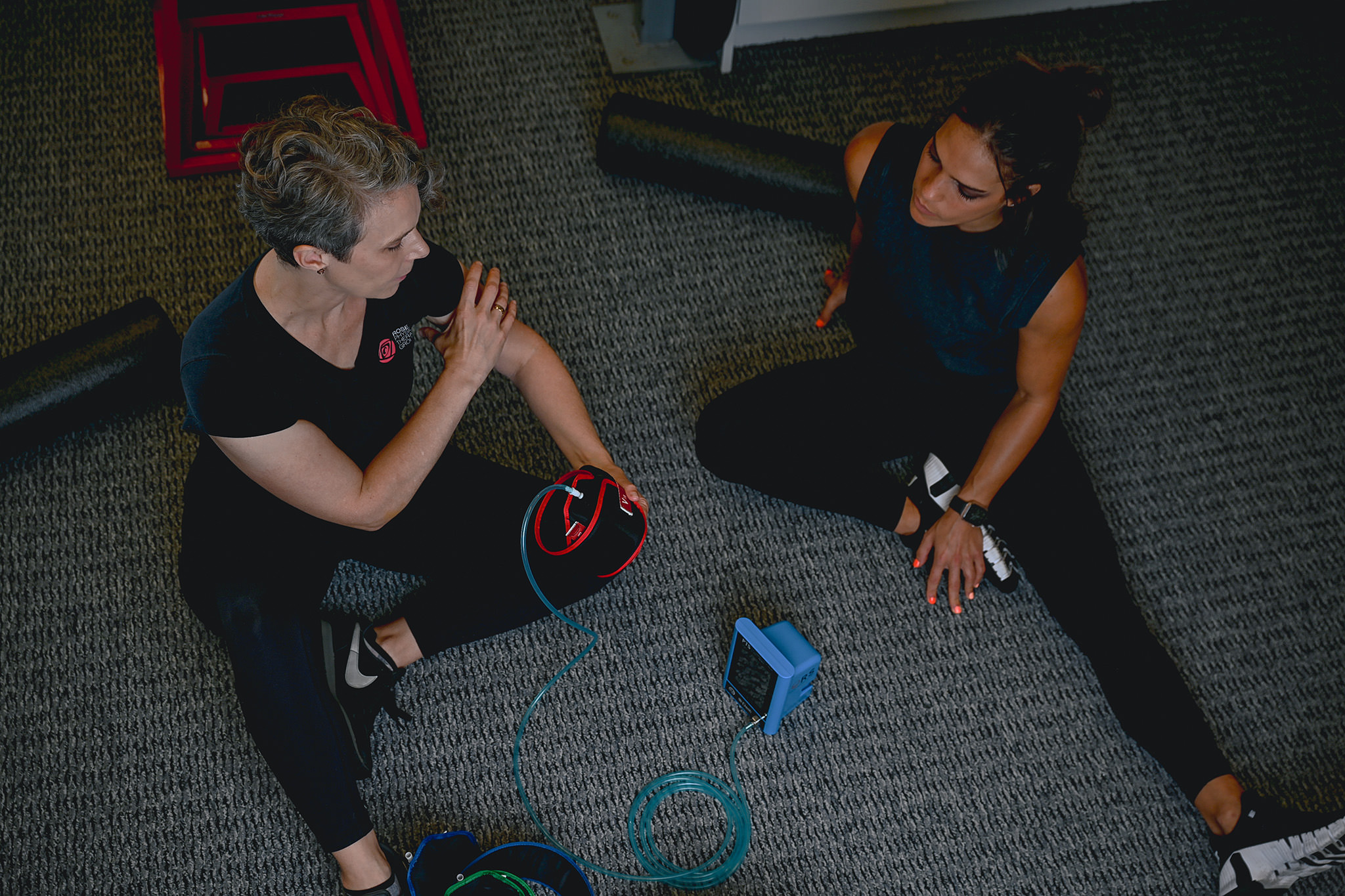
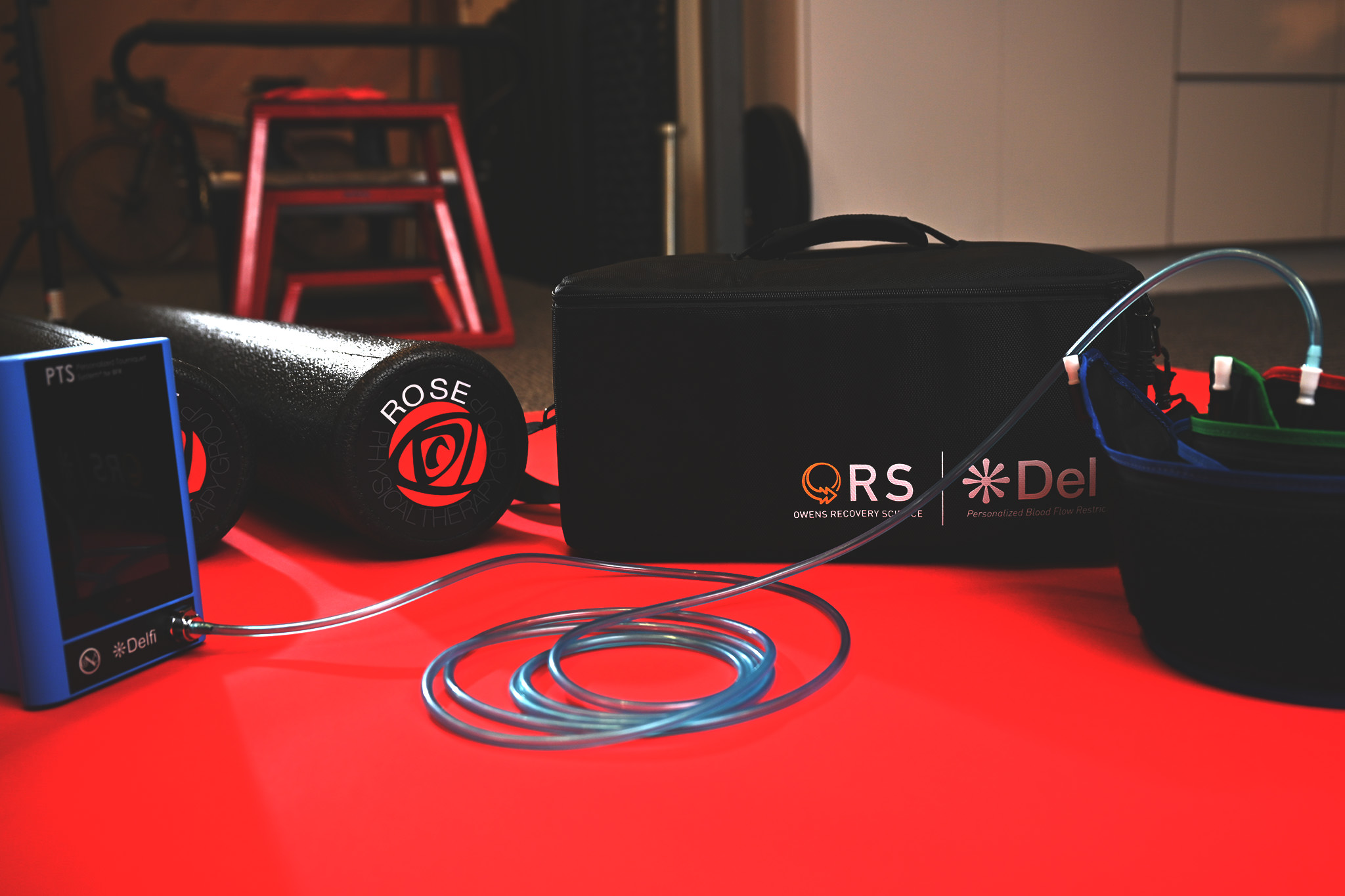
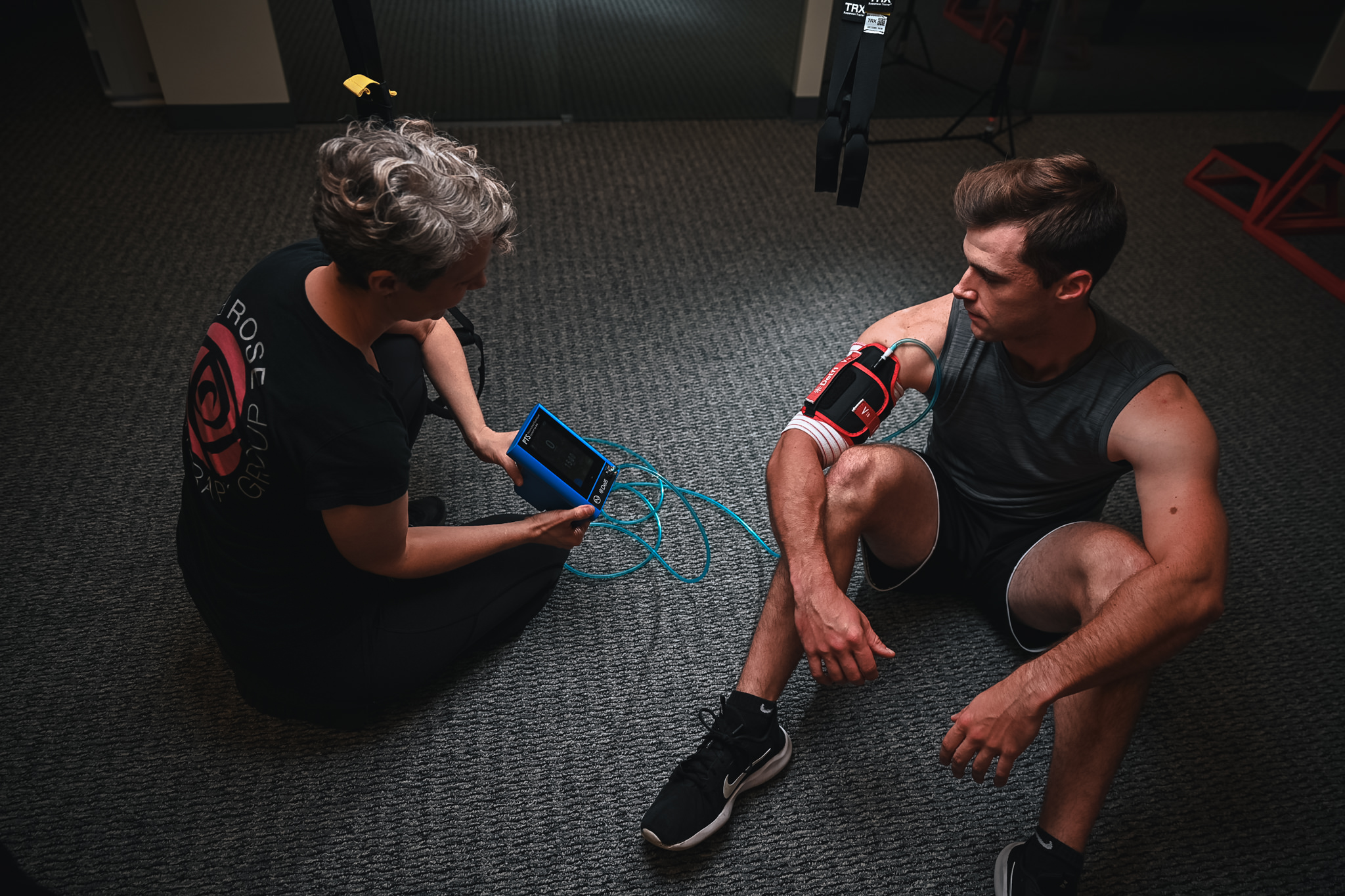
So what is blood flow restriction you may ask? It is a process in which a physical therapist uses a compressive machine very similar to a blood pressure cuff in order to partially occlude an artery to a specific muscle group. Keep reading below to see the top three advantages to using blood flow restriction after an orthopedic surgery. 
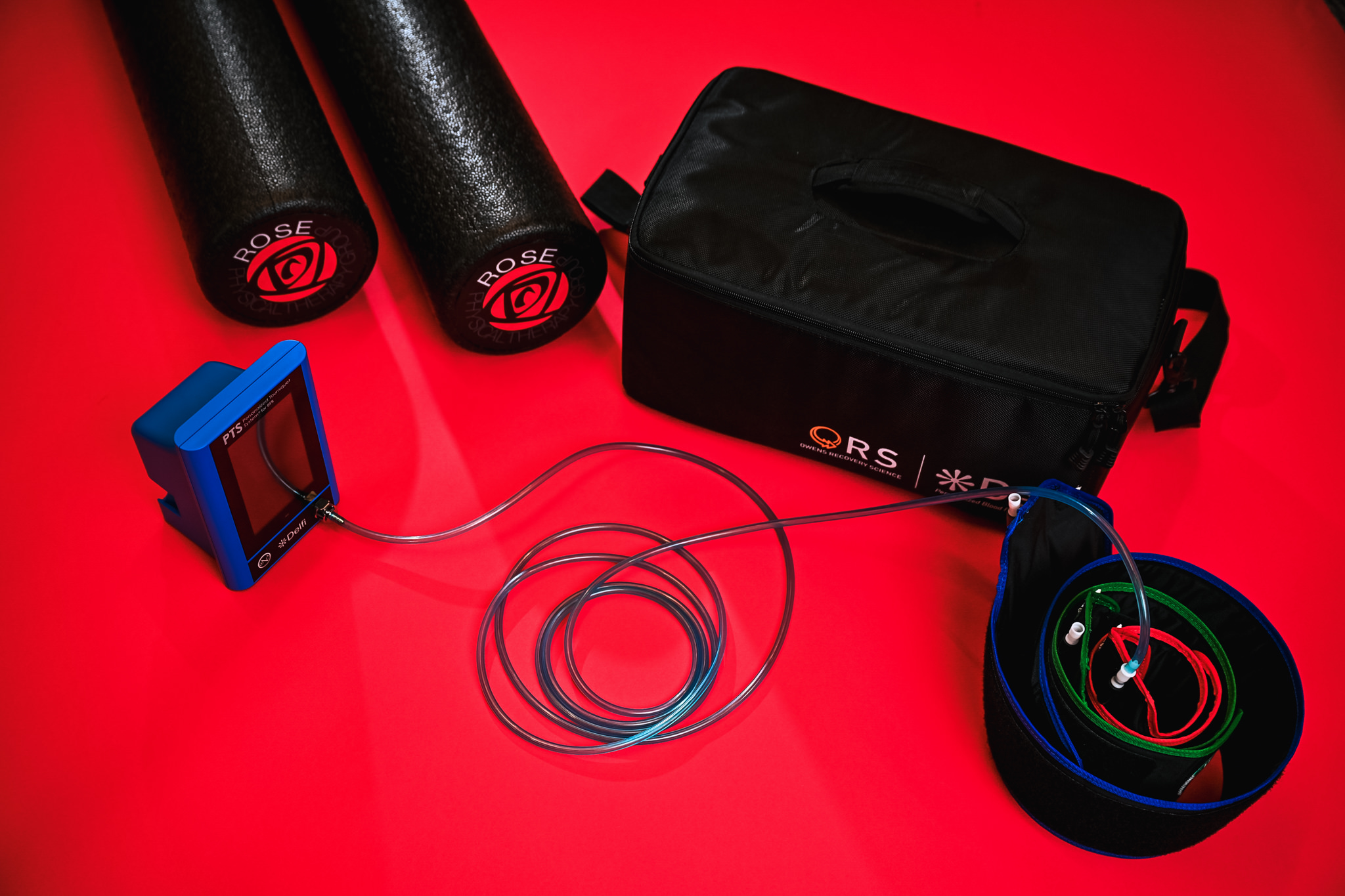
blood_flow_restriction_bfr_physical_therapy_washington_dc_-1.jpg


Increased muscle growth with less physical stress to an injured joint     

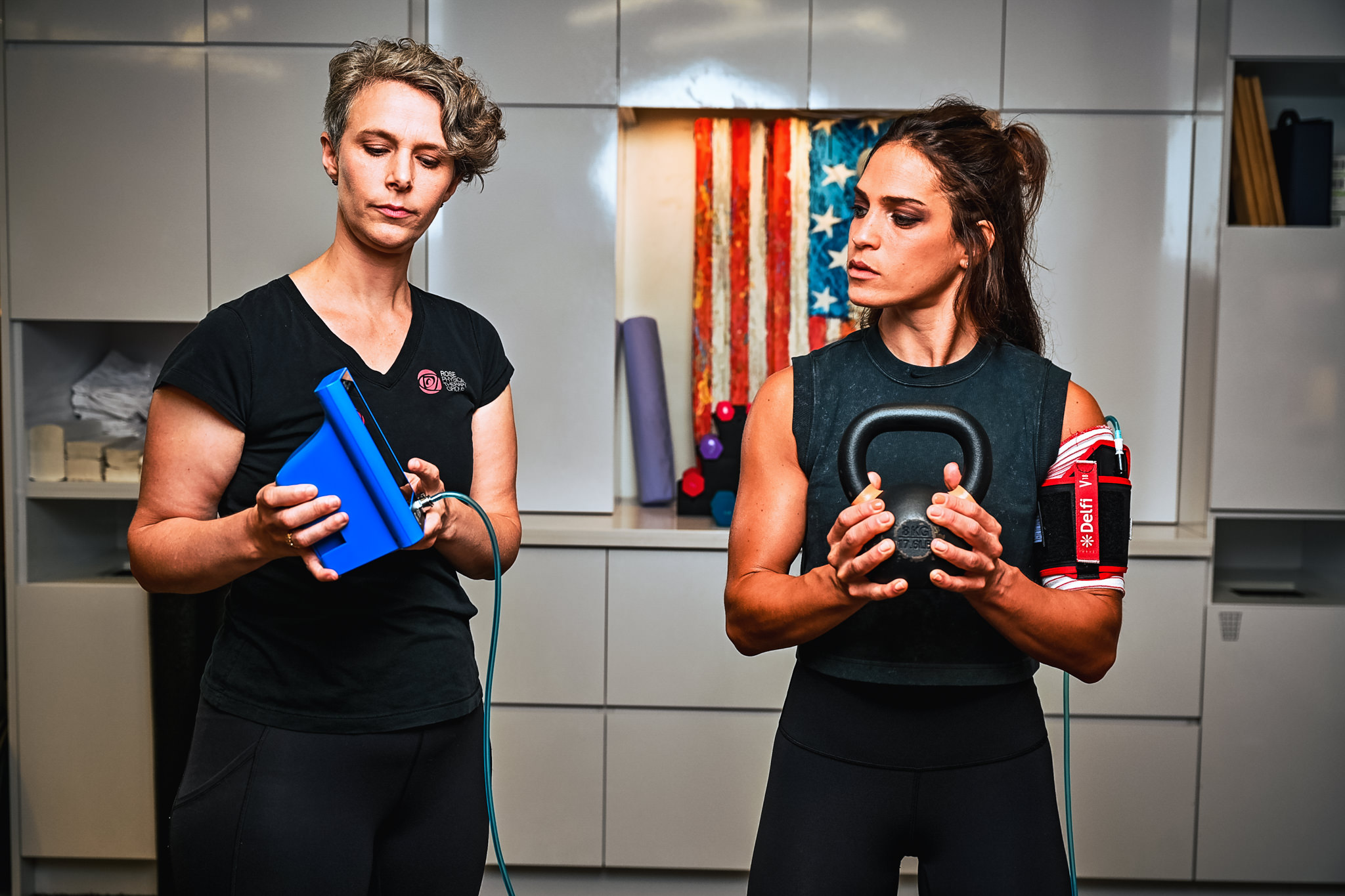
After a surgery like a joint replacement or rotator cuff tear, your joints and involved muscles are very painful and often are unable to produce force like they normally do. This lack of motion and inability to contract causes muscles to shrink or atrophy very quickly. In order to prevent this, typically you would do standard strength training; however that can be contraindicated or too painful to do. This is where blood flow restriction comes in. By partially occluding blood to a specific muscle group during normal exercise, we increase the metabolic demand the muscle has without having to stress it with heavier weights. This way the muscle still gets the stimulus it needs to grow without requiring a heavy load that your joint may not be able to handle. 
blood_flow_restriction_bfr_physical_therapy_washington_dc_-4.jpg

It is a quick, non invasive procedure that can speed up recovery until you are able to transition to normal strength training

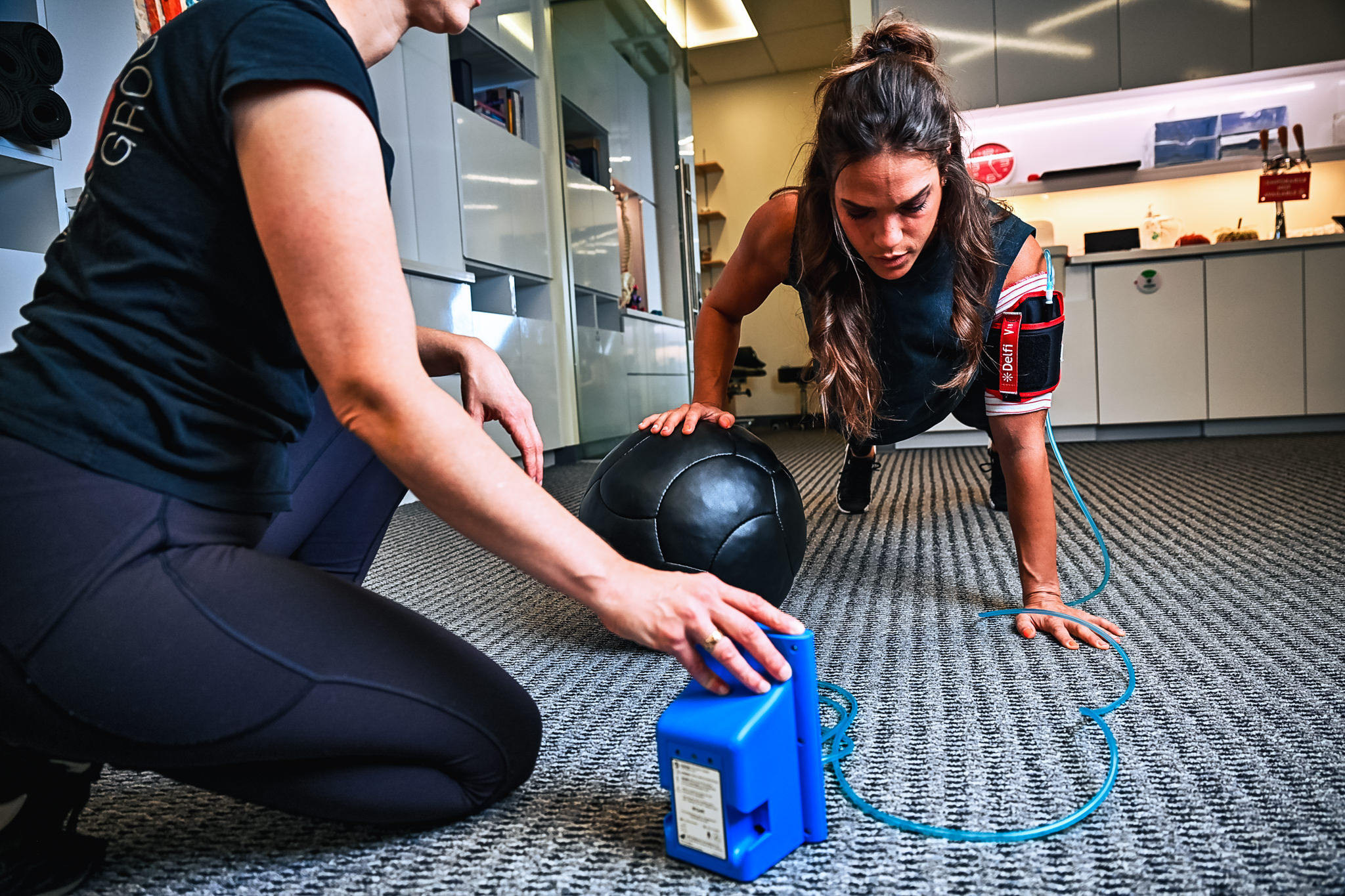
Blood flow restriction does not require any extra medications, needles, or other invasive interventions to be performed. It is a simple and short procedure that all of our experienced staff here at Rose Physical Therapy can provide after your surgery. Blood flow restriction typically takes anywhere between 5-10 minutes and easily fits into your tailored exercise plan provided by our highly qualified therapists. A normal blood flow restriction session will be used while doing normal body weight exercises like squats, arm raises, or bridges without much weight added. These “normal” body weight exercises will feel much more fatiguing with blood flow restriction and cause similar muscle gains that can be seen using conventional heavy strength training. After your joint has healed, your therapist can then begin to transition you into more advanced strength training exercises. 
blood_flow_restriction_bfr_physical_therapy_washington_dc_-3.jpg

Anyone Can Do Blood Flow Restriction 

You may have heard of blood flow restriction in the news with professional athletes using it to help them get back on the field as fast as possible after an injury. While this is certainly true, it can be scaled up or down to anyone! In the clinic we use blood flow restriction for anyone ranging from elite runners/cycle’s or someone recovering after a knee replacement. When working with a clinician at Rose Physical Therapy they will evaluate your current orthopedic needs, design a rehabilitation program, and use blood flow restriction as a supplemental treatment into your program in order to provide you an efficient and all encompassing plan of care to help you recover as quickly as possible.

Blood flow restriction is research validated intervention that may help speed up your recovery after an orthopedic injury or surgery. Here at Rose Physical Therapy in Washington D.C. we have a highly qualified staff that can utilize blood flow restriction to help you reach your rehabilitation goals. If you are interested in blood flow restriction and would like to schedule a consultation, book an appointment with me or any of our other physical therapist’s. I look forward to seeing you in the clinic!
 

Read more about Three advantages to using Blood Flow Restriction (BFR) after surgery

Physical therapy for diastasis recti (DR) ">Physical therapy for diastasis recti (DR)

Physical therapy is effective in prevention and treatment of diastasis recti. 

Addressing Diastasis Recti with Physical Therapy

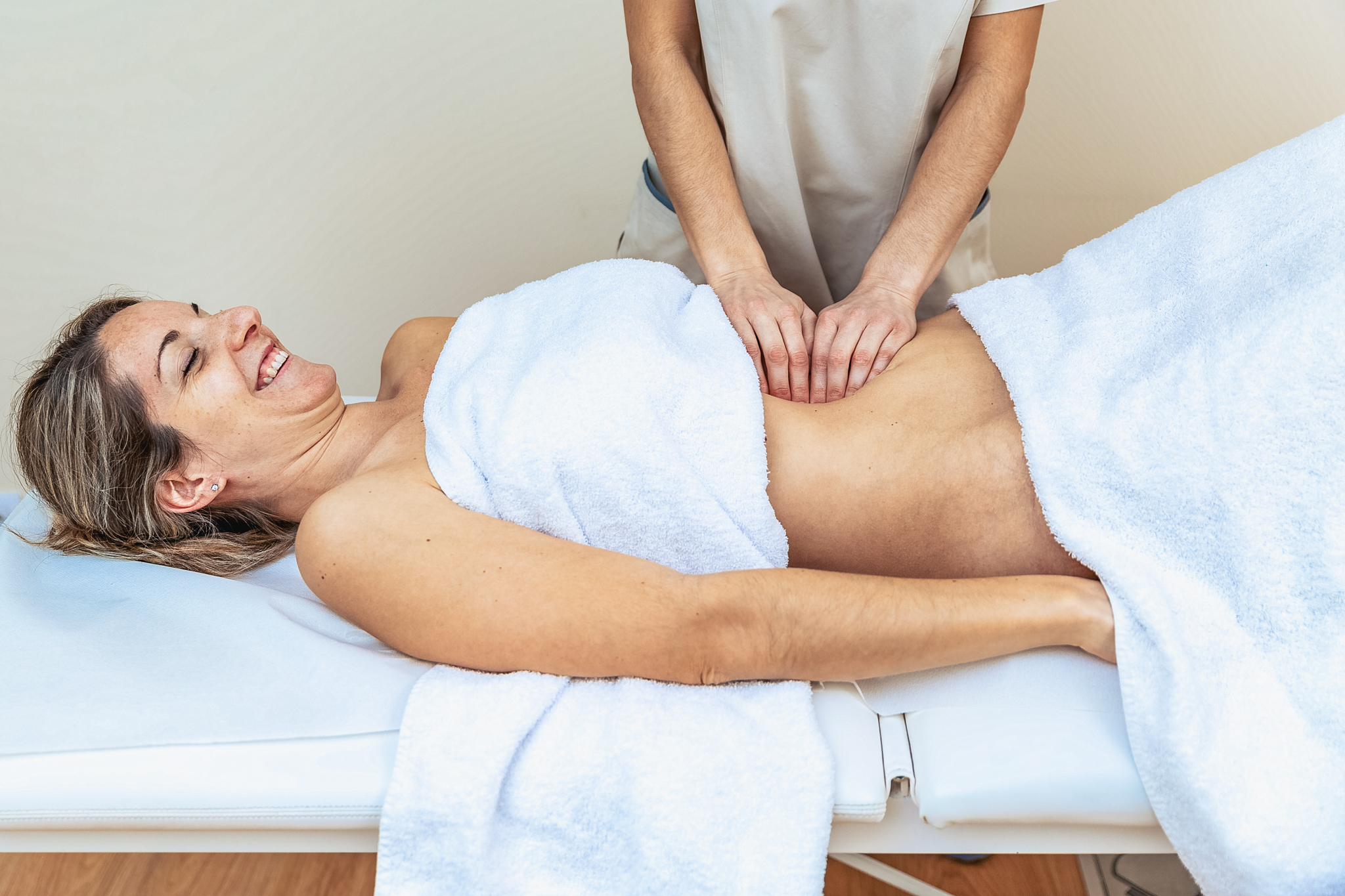
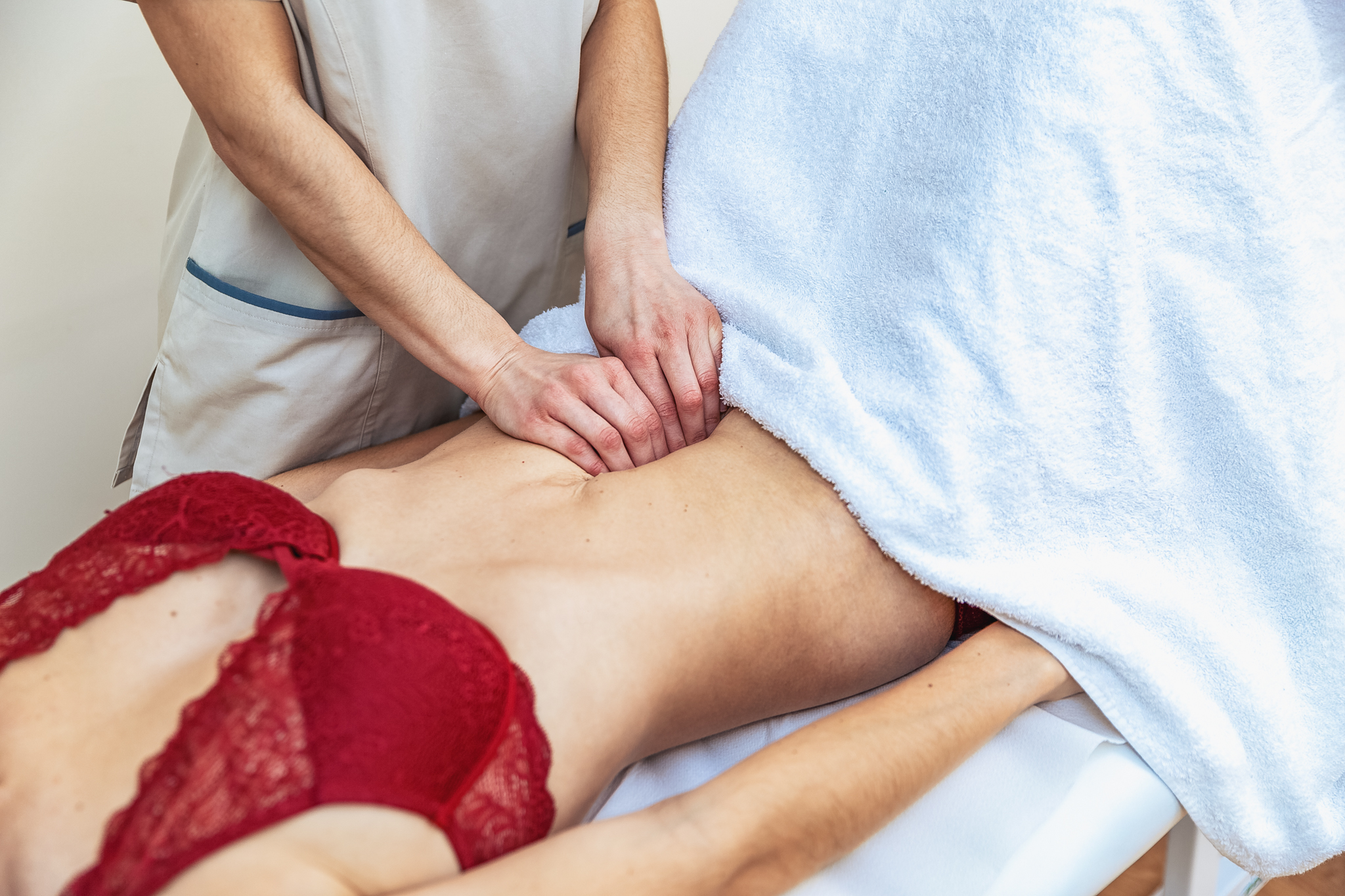
Diastasis recti is a condition that occurs when the two sides of the rectus abdominis muscle (the "six-pack" muscle) separate, causing a visible bulge in the middle of the abdomen. This can happen due to various reasons such as pregnancy, obesity, weak core muscles, or heavy lifting. One of the tell-tale signs of having DR is the often maligned ‘mummy tummy’ — a perpetually pregnant look well after giving birth and despite not being pregnant.

best_diastasis_dr_recti_physical_therapy_treatment_washington_dc

Diastasis Recti is a physical therapy problem, not a surgical problem

Physical therapy can be used as a frontline treatment for DR, with surgery as a backup costmetic option except in the most extreme cases. Because surgery exists for DR there is some confusion around the best approach, and this confusion is anecdotal and based in the sentiment that the problem can be easily fixed on the operating table. Surgery for DR is a cosmetic procedure, it is not corrective of the musculature. Surgery is also a highly profitable procedure for surgeons and hospitals, therefore if you ask about it and there's a justifiable reason for it, a surgical team will support this treatment. It is worth noting that many DR corrective surgeries are paired with tummy tucks because the procedures are cosmetic and go hand-in-hand to improving stomach appearance.

The problems associated with diastasis recti can be addressed with physical therapy. Women with DR consistently report lower back pain, pelvic pain, urinary incontinence, organ prolapse, decreased core stability and/or exercise capacity, hernias, and gastrointestinal issues. These issues are related to DR, but they are not caused by DR, which should be considered a cosmetic condition except in the most extreme cases. All of these conditions recited above can be treated with physical therapy. Surgery for DR will not correct these issues even in the most extreme DR cases, you will still need physical therapy. Thus, the physical therapist is the best place to start in treating most DR, and it is best to commit to doing the hard work of using a skilled physical therapist to aid your recovery.

Rose physical therapists are experts in diastasis recti and can help by providing targeted exercises to strengthen the muscles around the abdomen and pelvic floor. 

In addition to exercise, a physical therapist can also provide education on proper body mechanics and posture, which can help prevent further separation of the abdominal muscles. They may also recommend the use of a support garment, such as a belly band, to provide additional support to the abdominal muscles.

best_diastasis_dr_recti_physical_therapy_treatment_washington_dc_-1.jpg

It's important to note that not all cases of diastasis recti require medical intervention. However, if the condition is causing pain or other symptoms, it's important to consult with a physical therapist to determine the best course of treatment. In your intake with Rose PT, please indicate your reason for treatment so that we can set you up with one of our experts.

Every therapist at Rose has a private exam room that can be used for these types of treatment. Whether you come see us at our offices downtown Washington, DC between Dupont Circle and Farragut Square, or at our office in Navy Yard adjacent Capitol Hill, you will be comfortable on your way to recovery.

Read more about Physical therapy for diastasis recti (DR)

Benefits of Physical Therapy Pre and Post Partum ">Benefits of Physical Therapy Pre and Post Partum

Future moms and current moms can benefit from prepartum and postpartum physical therapy which reduces pain and helps prevent train muscles to reduce complications.

Benefits of Physical Therapy Pre and Post Partum

Physical therapy is an essential part of pre and postpartum care. It is a non-invasive way to manage pain, improve mobility, and prevent potential issues that can arise during pregnancy and after childbirth.

Benefits of Prepartum Physical Therapy:

  1. Pain management: Prepartum physical therapy can help manage pain associated with pregnancy. As the baby grows, it puts pressure on the pelvic floor, back, and legs, leading to discomfort. Physical therapy can help relieve pain and improve mobility.
  2. Prevention of complications: Physical therapy can help prevent complications such as diastasis recti, a separation of the abdominal muscles that can occur during pregnancy. It can also prevent urinary incontinence and pelvic organ prolapse.
  3. Pelvic floor muscle training: Physical therapy can help train the pelvic floor muscles, which can improve bladder and bowel control, reduce the risk of pelvic organ prolapse, and improve sexual function.
  4. Preparation for childbirth: Prepartum physical therapy can help prepare for childbirth by teaching them proper breathing techniques, positions for labor and delivery, and exercises to improve strength and mobility.

Benefits of Postpartum Physical Therapy:

  1. Recovery from childbirth: Postpartum physical therapy can help with recovery from the physical strain of childbirth. It can help improve mobility, reduce pain, and restore strength/stability in the pelvic floor, back, and abdominal muscles.
  2. Treatment of diastasis recti: Postpartum physical therapy can help treat diastasis recti, a condition where the abdominal muscles separate during pregnancy. Physical therapy can help close the gap between the muscles and improve core strength.
  3. Pelvic floor rehabilitation: Postpartum physical therapy can help rehabilitate the pelvic floor muscles, which can help prevent urinary incontinence and pelvic organ prolapse.
  4. Management of breastfeeding-related issues: Physical therapy can help manage issues such as neck and back pain, carpal tunnel syndrome, and wrist tendonitis, which can arise from breastfeeding.

At Rose Physical Therapy Group, we offer personalized treatment plans that are tailored to meet the unique needs of each patient. Our team of physical therapists are trained to work with clients during pregnancy and after childbirth. We use a variety of techniques such as manual therapy, pelvic floor exercises, and therapeutic exercise to help clients manage pain, improve mobility, and prevent potential issues that can arise during pregnancy and after childbirth. Our team of physical therapists is dedicated to helping clients achieve optimal health and wellness during and after pregnancy.

Schedule an appointment at either our Navy Yard office just a few blocks from Capitol Hill or our downtown Washington, DC office between Dupont Circle and Farragut Square.

Read more about Benefits of Physical Therapy Pre and Post Partum

Do I have pelvic floor dysfunction? ">Do I have pelvic floor dysfunction?

best_pelvic_floor_physical_therapy_washington_dc

If you experience urinary or fecal incontinence, difficulty emptying your bladder or bowel, pain during sexual intercourse, pain or discomfort in the pelvic region, chronic constipation or diarrhea, or pelvic organ prolapse, you have pelvic floor dysfunction that can be treated by a physical therapist.

How to know if you have pelvic floor dysfunction

Pelvic floor dysfunction (PFD) is a common condition that affects many people, but it is often overlooked and under-diagnosed. It can cause a wide range of symptoms, such as pain, discomfort, and urinary or fecal incontinence. Fortunately, physical therapy can be an effective treatment for PFD.

In this blog entry, we discuss what pelvic floor dysfunction is, how to know if you have it, and how a Doctor at Physical Therapy at Rose Physical Therapy Group can help.

What is Pelvic Floor Dysfunction?

The pelvic floor is a group of muscles and tissues that support the bladder, uterus, and rectum. When these muscles are weak or tight, it can cause a variety of problems, including incontinence, pain, and discomfort. Pelvic floor dysfunction can occur due to a variety of factors, including pregnancy and childbirth, surgery, and chronic constipation/bladder issues.

How to Know if You Have Pelvic Floor Dysfunction

If you experience any of the following symptoms, you may have PFD:

  • Urinary or fecal incontinence
  • Difficulty emptying your bladder or bowel
  • Pain during intercourse
  • Pain or discomfort in the pelvic region
  • Chronic constipation or diarrhea
  • Pelvic organ prolapse (a condition where the pelvic organs drop from their normal position)

If you are experiencing any of these symptoms, it is important to see a healthcare provider to rule out any underlying medical conditions.

How Rose Physical Therapy Group Can Help

At Rose Physical Therapy, we have Doctors of Physical Therapy that specialize in the treatment of PFD. Our physical therapists use a variety of techniques to help strengthen and relax the pelvic floor muscles, including:

  • Manual therapy: Our physical therapists use hands-on techniques to release tension in the pelvic floor muscles.
  • Therapeutic exercise and Neuromuscular re-education: We develop individualized exercise programs to strengthen weak pelvic floor muscles and improve overall function.
  • Education: Our physical therapists provide education on proper bowel and bladder habits, as well as techniques for managing symptoms and improving body mechanics.
  • Biofeedback therapy: This technique uses sensors to measure muscle activity and helps patients learn how to properly contract and relax their pelvic floor muscles.

If you think you may have PFD, we are here to help at Rose. Contact Rose Physical Therapy to schedule a consultation and start your journey towards a healthier, more comfortable life. We have convenient, metro-accessible or public transportation accessible offices located at Navy Yard just a few blocks from Capitol Hill, and in downtown Washington, DC between Dupont Circle and Farragut Square. 

Read more about Do I have pelvic floor dysfunction?

Importance of Mobility and Stability for Golf Swing Power ">Importance of Mobility and Stability for Golf Swing Power

Golf requires mobility and stability to generate maximum power in your swing.

A powerful golf swing depends on your Mobility and Stability

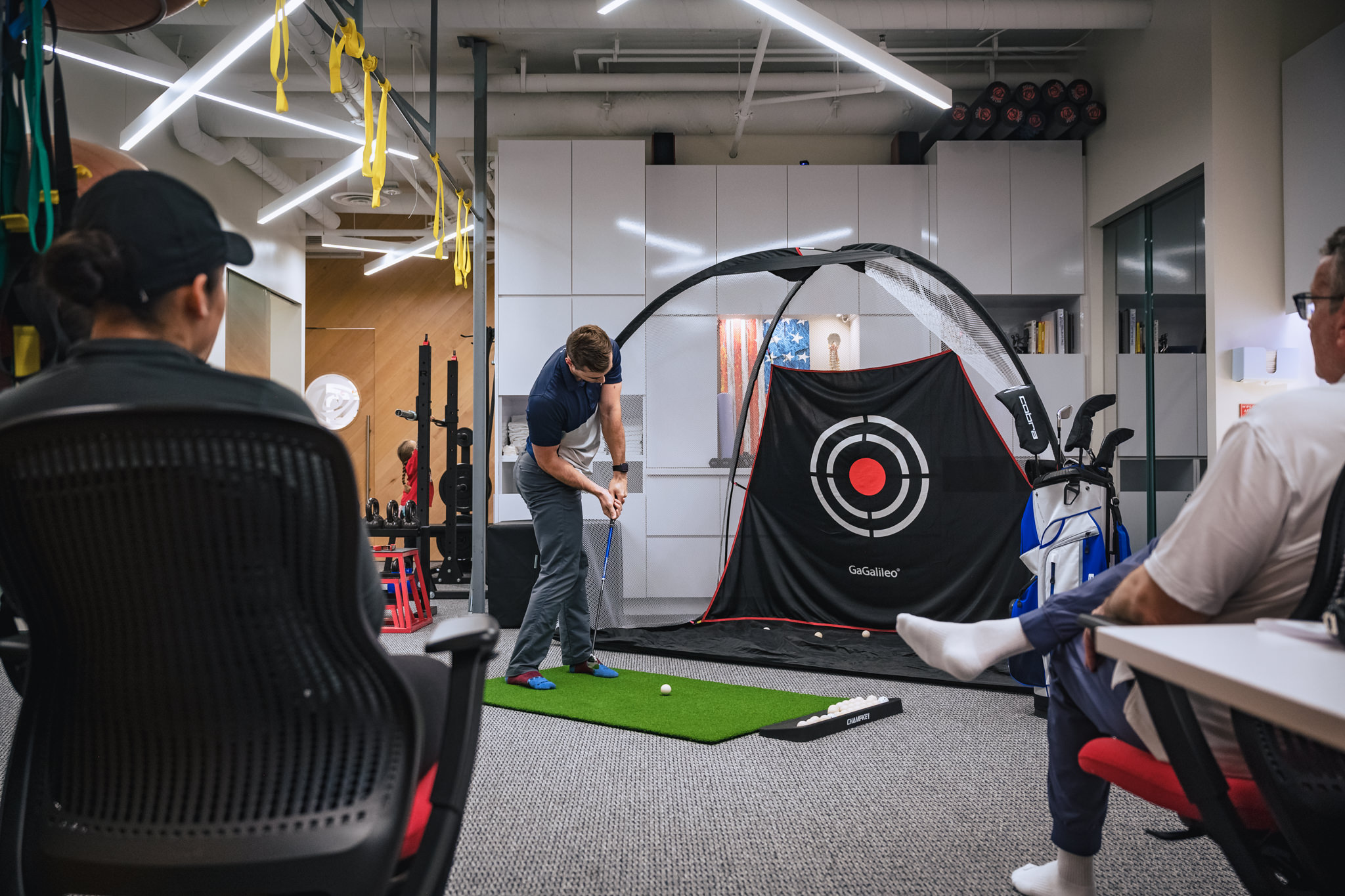
Golf is a sport that requires a great deal of mobility and stability from the golfer's body. In order to generate power and accuracy, golfers need to be able to move their bodies freely and efficiently. They also need to be able to stabilize their bodies through the swing, so that they can maintain their balance and control the clubhead

There are a number of different muscles and joints that are involved in the golf swing. Some of the most important muscles include the:

  • Shoulder muscles
  • Hip muscles
  • Core muscles
  • Wrist muscles

These muscles need to be able to move through a full range of motion in order to generate power. They also need to be strong enough to stabilize the body through the swing.

In addition to muscle strength and flexibility, golfers also need to have good balance and coordination. These are essential for maintaining a consistent swing and hitting the ball accurately.

If you are a golfer who is looking to improve your swing, it is important to focus on mobility, stability, balance, and coordination. There are a number of different exercises that you can do to improve these areas. You can also work with a physical therapist who can help you develop a personalized exercise program.

Here are some tips for improving your mobility and stability for a powerful golf swing:

Rose Physical Therapy Group can help you improve your mobility and stability for a powerful golf swing. At either of our Washington, DC based offices, our team of experienced physical therapists can assess your individual needs and develop a personalized exercise program to help you reach your goals. We offer a variety of services, including:

  • Golf-specific physical therapy
  • Individualized exercise programs
  • Manual therapy
  • Functional training
  • Golf swing analysis with a Titleist Certified Specialist

Contact us today to schedule a session and learn more about how we can help you improve your golf game.

Read more about Importance of Mobility and Stability for Golf Swing Power

Strength training to prevent injury and improve your golf game ">Strength training to prevent injury and improve your golf game

Golf Strength Training: How to Prevent Injuries and Improve Your Game

Golf is a physically demanding sport that requires a wide range of movements and muscle groups. Unfortunately, it is also a sport that is prone to injuries. One of the best ways to prevent golf injuries is to strength train.

Strength training helps to improve your strength, flexibility, and balance. These are all important factors in preventing injuries. Strong muscles help to protect your joints from injury and allow you to move more efficiently. Flexibility helps to improve your range of motion and prevent muscle strains. Balance helps you to maintain your equilibrium and prevent falls.

In addition to preventing injuries, strength training can also improve your golf game. Stronger muscles will help you to generate more power and hit the ball farther. Improved flexibility will help you to make a full swing and reach the ball. Improved balance will help you to stay in control and make solid contact.

For golfers it is important to include strength training in your fitness routine. There are many different ways to strength train, so you can find a program that fits your needs and fitness level. You can work with a personal trainer or create your own program using online resources.

However, if you are looking for a more personalized approach, Rose Physical Therapy can help. Our team of Titlist certified physical therapists can assess your individual needs and create a strength training program that is tailored to you. We can also help you to learn the proper form for all exercises and prevent injuries.

In addition to strength training, we also offer a variety of other services that can help you to improve your golf game, including:

  • Golf-specific physical therapy
  • Golf-specific massage therapy
  • Golf Specific strength/power training
  • Golf-specific dry needling

If you are a golfer who is looking to improve your strength, flexibility, and balance, or if you are recovering from a golf injury, Rose Physical Therapy can help. Contact us today to schedule a session at one of our locations in Washington, DC and learn more about how we can help you to reach your golf goals.

Read more about Strength training to prevent injury and improve your golf game

Should you see a podiatrist or physical therapist? ">Should you see a podiatrist or physical therapist?

Physical therapist or Podiatrist for foot and ankle pain?

If you're experiencing foot pain, you may be wondering who to see: a physical therapist or a podiatrist. Both of these doctors are can help with foot pain, but there are several things to consider when making an appointment.

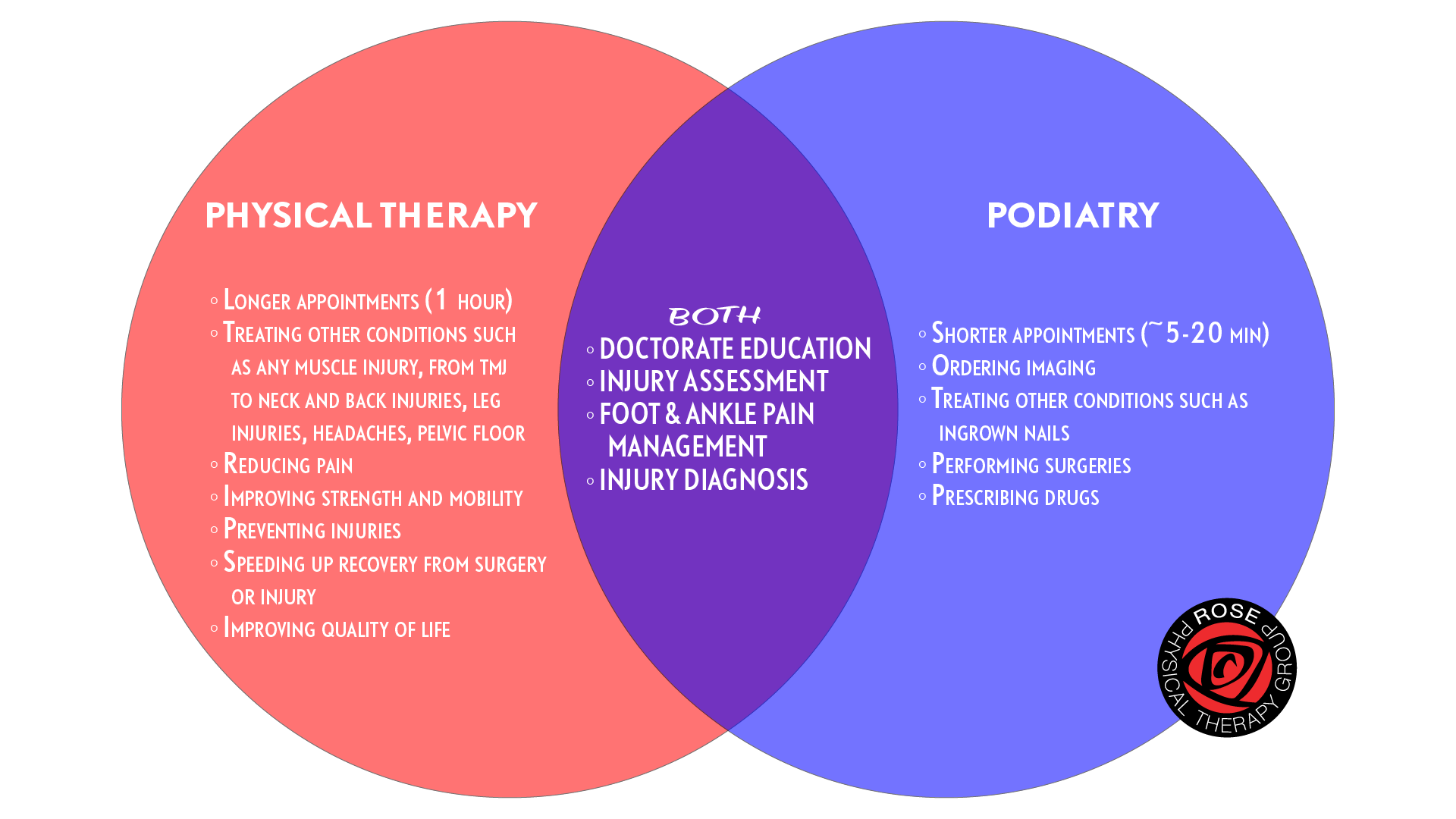
physical_therapy_vs_podiatry_washington_dc.png


Physical therapists (PTs) are movement experts who help people recover from injuries, illnesses and surgeries (which are basically considered injuries). Physical therapists use a variety of techniques, including exercise, manual therapy, and education, to help people improve their strength, mobility, and function. Their expertise overlaps with podiatrists in that both a physical therapist and podiatrist can assess a wide variety of soft tissue disorders. Physical therapists focus on the road to recovery to ensure return to a quality of life that existed pre-injury. With much longer appointments, physical therapists have the tools and time to make that difference in your life.

Podiatrists are focused on acute problems, like surgical repair of a ruptured tendon; surgery for ingrown nails; acute pain management with FDA controlled drugs, and ordering imaging. 

PTs can treat a wide range of foot conditions, including:

  • Plantar fasciitis
  • Achilles tendinitis
  • Stress fractures
  • Foot arthritis
  • Neuropathy
  • Charcot-Marie-Tooth disease
  • Foot deformities
  • Hammertoes
  • Flat feet
  • Plantar fasciitis
  • Achilles tendinitis
  • Stress fractures
  • Foot arthritis
  • Neuropathy
  • Charcot-Marie-Tooth disease
  • Foot deformities

PTs can also help people with foot pain that is caused by other conditions, such as:

  • Back pain
  • Knee pain
  • Hip pain
  • Pelvic floor pain and disorders
  • TMJ/TMD, jaw pain
  • Post surgical recovery

Podiatrists (DPMs) specialize in the foot and ankle. They diagnose and treat a variety of foot conditions, including both the above conditions and the following more acute issues:

  • Surgery for ruptured achilles or other foot tendons
  • Ingrown toenails
  • Warts
  • Bunions
  • Calluses
  • Corns
  • Drug prescriptions
  • Ordering imaging

So, who should you see for foot pain?

The short answer is that in most cases a physical therapist is the key, but not in all cases.

If you're experiencing foot pain, it's important to see a healthcare professional as soon as possible. The sooner you get treatment, the sooner you'll be on your way to feeling better.

If your foot pain is caused by an injury or a condition that is affecting other parts of your body, such as your back or knee, you may want to see a physical therapist first. PTs can help you address the underlying cause of your pain and develop a treatment plan that will help you get back to your normal activities. In cases when other parts of the body are involved, often clients do not know where their pain is coming from. That is something a skilled physical therapist at Rose in Washington, DC can help you figure out and address.

If your foot pain is caused by a condition that is acute, such as a tendon rupture, you may want to see a podiatrist first. Podiatrists can diagnose and treat a variety of foot conditions, and they can also perform surgery on the foot and ankle if necessary and get you the imaging that you might need to better understand the injury.

One hopes that a good podiatrist will refer you to a good physical therapist when appropriate, but that does not always happen because podiatrists are, by profession, not focused on physical therapy. In most states you can see a doctor of phjysical therapy immediately and directly without needing a referral, and that is the case with Washington, DC, Maryland and Virginia. We have established Rose Physical Therapists as leaders in the Washington, DC area in knowledge base, expertise and the ability to get to the root of foot problems and many other soft tissue disorders. 

Rose Physical Therapy is a clinic that specializes in the treatment of foot pain. We have a team of experienced physical therapists who are experts in the treatment of foot conditions. We use a variety of techniques, including exercise, manual therapy, and education, to help our patients improve their strength, mobility, and function. Our offices located in downtown Washington, DC between Dupont Circle and Farragut Square, and in Navy Yard near Capitol Hill, are easily accessible by metro or other means of public transportation. And our one-on-one appointments for one hour with a doctor are the best you will receive anywhere.

We understand that foot pain can be debilitating, and we are committed to helping our patients get back to their normal activities. Schedule an appoint today to get started.

Read more about Should you see a podiatrist or physical therapist?

Benefits of barefoot shoes ">Benefits of barefoot shoes

Four benefits of barefoot shoes are reduced foot pain, improved balance, strengthening ankles and feet, and reducing the risk of injury.

Benefits of barefoot shoes

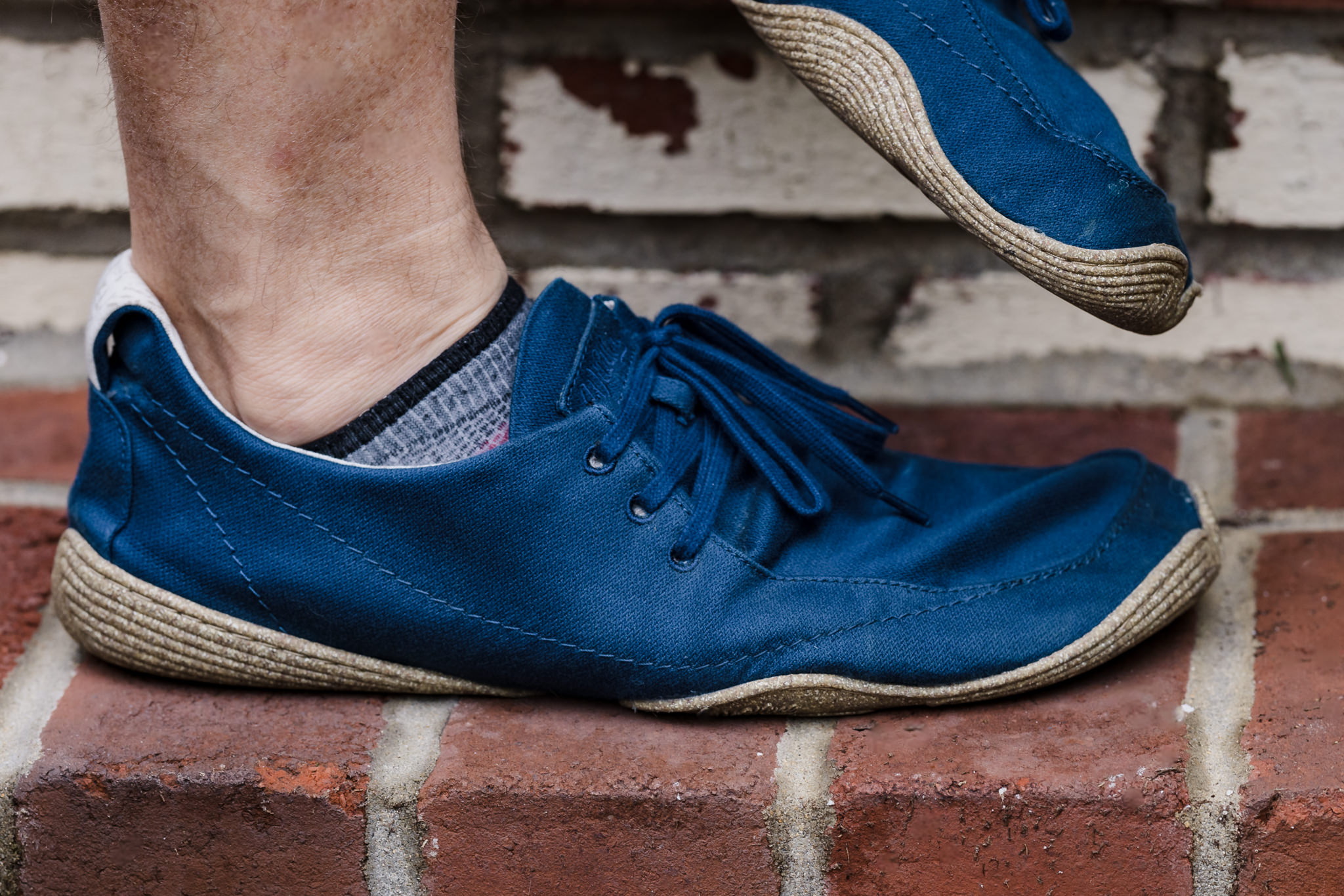
Physical therapists commonly treat clients with foot pain. And one of the most common causes of foot pain is wearing shoes that are not supportive or that do not fit properly. Traditional running shoes, for example, often have thick, cushioned soles that can actually make foot pain worse, they crush toes into a v shaped pattern, and have a rise and drop in the shape of the shoe sole that is akin to high heels. 

Barefoot shoes are designed to mimic your natural foot position as it contacts the ground bare. Barefoot shoes have a "zero drop", maintaining the same height sole from toes to heel. They also have a toe box that is wide and allows your toes to splay in a natural direction without confining them.

This is in contrast to minimalist shoes. Minimal shoes may possess some of these features, such as a zero drop sole, but they often have a narrow toe box. The narrow toe box is a fashion feature but will negatively affect your feet because it constrains natural movement. Constrained toes can lead to many disorders that cause foot pain and can even lead to serious conditions like bunyons.

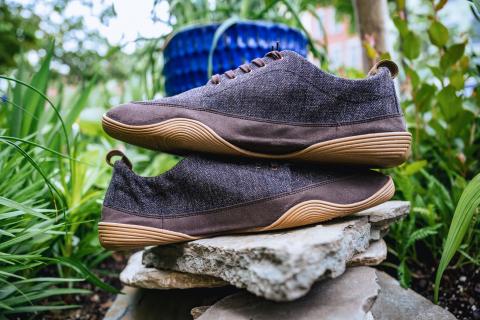
Thus, we recommend avoiding minimalist shoes and focusing on barefoot...dare to be bare! (It was too easy...) Here's a pair of some of our favorite barefoot shoes from Wildling.

minimalist_shoes_physical_therapy_washington_dc_-1.jpg

Barefoot shoes are a type of footwear that is designed to mimic the natural barefoot experience. They have thin soles that are malleable, bendable in multiple directions, provide little to no cushioning, and they allow your feet and toes to move freely. Barefoot shoes have been shown to have a number of benefits for foot health, including:

  • Reduced foot pain. Studies have shown that barefoot shoes can help to reduce foot pain, especially in people with plantar fasciitis, Achilles tendinitis, and other conditions.
  • Improved balance and proprioception. Proprioception is the body's awareness of its position in space. Barefoot shoes can help to improve proprioception by allowing your feet to feel the ground beneath them. This can help you to maintain better balance and coordination.
  • Stronger feet and ankles. Barefoot shoes can help to strengthen the muscles in your feet and ankles. This is because they force you to use your feet more naturally, which helps to develop the muscles that support your arches and ankles.
  • Reduced risk of injury. Barefoot shoes can help to reduce your risk of injury, such as shin splints, stress fractures, and knee pain. This is because they allow your feet to move more naturally and they do not provide as much cushioning, which can lead to overstriding and other poor running mechanics.

If you are looking for a way to improve your foot health, barefoot shoes may be a good option for you. However it may be a great idea to work with your physical therapist to help with the transition, because how you make that transition is important. The controversy around barefoot shoes is undeserved. 

If you are interested in trying barefoot shoes, Rose Physical Therapy has links to major brands in our online store. We have a wide selection of minimalist shoes available for purchase, and our team of doctors can help you determine the right pair for your needs. We also offer physical therapy services to help you improve your foot health and prevent injuries as you transition to barefoot shoes.

To schedule an appointment please use the contact form on our website, or give us a call. We have offices in downtown DC between Dupont Circle and Farragut Square, and in Navy Yard just a few blocks from Capitol Hill. Both locations are metro accessible and convenient.

Read more about Benefits of barefoot shoes

What are minimalist shoes? ">What are minimalist shoes?

What Are Minimalist Shoes?

Minimalist shoes are a type of footwear that is designed to mimic the natural barefoot experience. Because of this, they are often referred to as barefoot shoes, and the terms can generally be used interchangeably with caveates mentioned below. Minimalist shoes have thin soles that provide little to no cushioning, and they allow your feet to move freely. Minimalist shoes have been gaining popularity in recent years, as more people become aware of the benefits of barefoot running and walking.

Barefoot shoes versus Minimalist Shoes

Minimal shoes offer a thin sole with minimal cushion. They also include a "zero drop" design, such that the heel is not elevated in comparison to the forefoot, the entire foot contacts the ground at the same level, the same as if you are not wearing shoes at all. Although minimalist shoes have thin soles that provide little to no cushioning, they may not always provide a barefoot experience.

Barefoot shoes take minimalist designs a step further by including a wide toe box that allows your toes to spread out. Combined with zero drop, allowing your toes to spread is essential to the barefoot experience and is the most healthy foot position. 

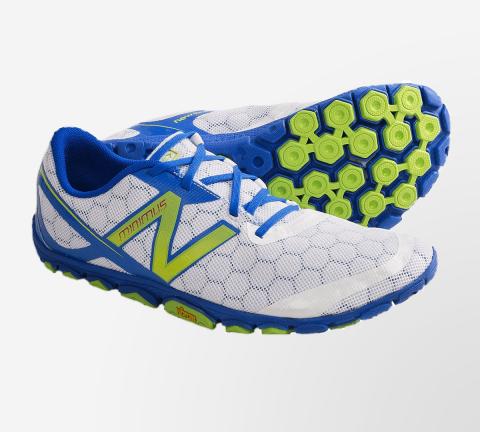
One example of minimalist shoes that do not allow for toe spread are New Balance Minimus, which may be discontinued.

new-balance-minimus-10v2-running-shoes-review.jpg

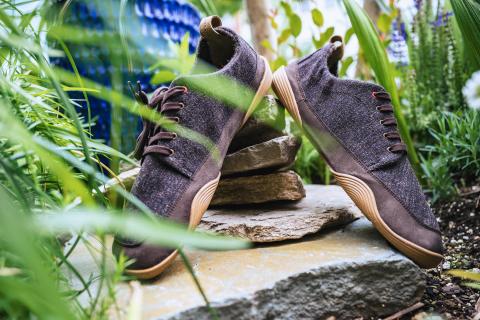
An example of barefoot shoes is anything made by Wildling Shoes. In addition to a wider toes box, the Wildling shoes have more flexible soles. 

minimal_shoes_physical_therapist_washington_dc_-1.jpg

Benefits of Minimalist Shoes

There are many potential benefits to wearing minimalist shoes, including:

  • Improved foot health: Minimalist shoes can help to strengthen the muscles in your feet and ankles, improve your balance and proprioception, and reduce your risk of foot pain.
  • Improved running form: Minimalist shoes can help you to run more naturally, which can help to reduce your risk of injuries such as shin splints, stress fractures, and knee pain.
  • Increased efficiency: Minimalist shoes can help you to run more efficiently, which can help you to run faster and longer.
  • Improved sensory feedback: Minimalist shoes allow you to feel the ground beneath your feet, which can help you to improve your balance and coordination.

Drawbacks of Minimalist Shoes

Minimalist shoes are not for everyone, but this is important to qualify. Everyone walks barefoot and can wear minimal shoes at some point in their life. But because of the stiffness of most shoes, the excessive structure of many brands of shoes, the transition should be taken with care. Hurrying into your transition can result in failure that is frequently blamed on the shoes and is the source of their controversy. But you can easily make a transition to minimal shoes if you seek out the right help and give yourself time.

If you have any foot or ankle pain, it is important to talk to your physical therapist before starting to wear minimalist shoes. Your PT can help stretch your leg muscles to ensure that your transition is comfortable. 

Additionally, minimalist shoes may not be suitable for people who are new to running or walking. It is important to start slowly and gradually increase the amount of time you spend in minimalist shoes.

How to Choose Minimalist Shoes

If you are considering trying minimalist shoes, there are a few things you need to keep in mind:

  • Fit is important: Minimalist shoes should fit snugly but not too tightly. You should have enough room to wiggle your toes, but the shoes should not feel too loose.
  • Look for a zero-drop shoe: A zero-drop shoe is one in which the heel and forefoot are the same height. This is important for promoting natural foot movement.
  • Choose a shoe with a flexible sole: The sole of a minimalist shoe should be flexible enough to allow your foot to bend and move naturally.
  • Start slowly: If you are new to minimalist shoes, start by wearing them for short periods of time and gradually increase the amount of time you spend in them.

If you are looking for a pair of minimalist shoes, there are a number of different brands and styles available in our online store, and we are frequently updating our blog on Some popular brands include Vibram FiveFingers, Vivobarefoot, and Merrell. 

At either our Rose office located in Downtown Washington, DC near Dupont Circle or Farragut Square, or at our office in Navy Yard just a few blocks from Capitol Hill and easily accessible by metro, we can help you transition to minimal shoes. From helping you with exercises designed based on your own physiology and symptoms, to evaluating your shoe wear, to advising you on new shoe purchases. Feel free to reach out an one of our doctors can help you!

Read more about What are minimalist shoes?

Relief from tension headaches ">Relief from tension headaches

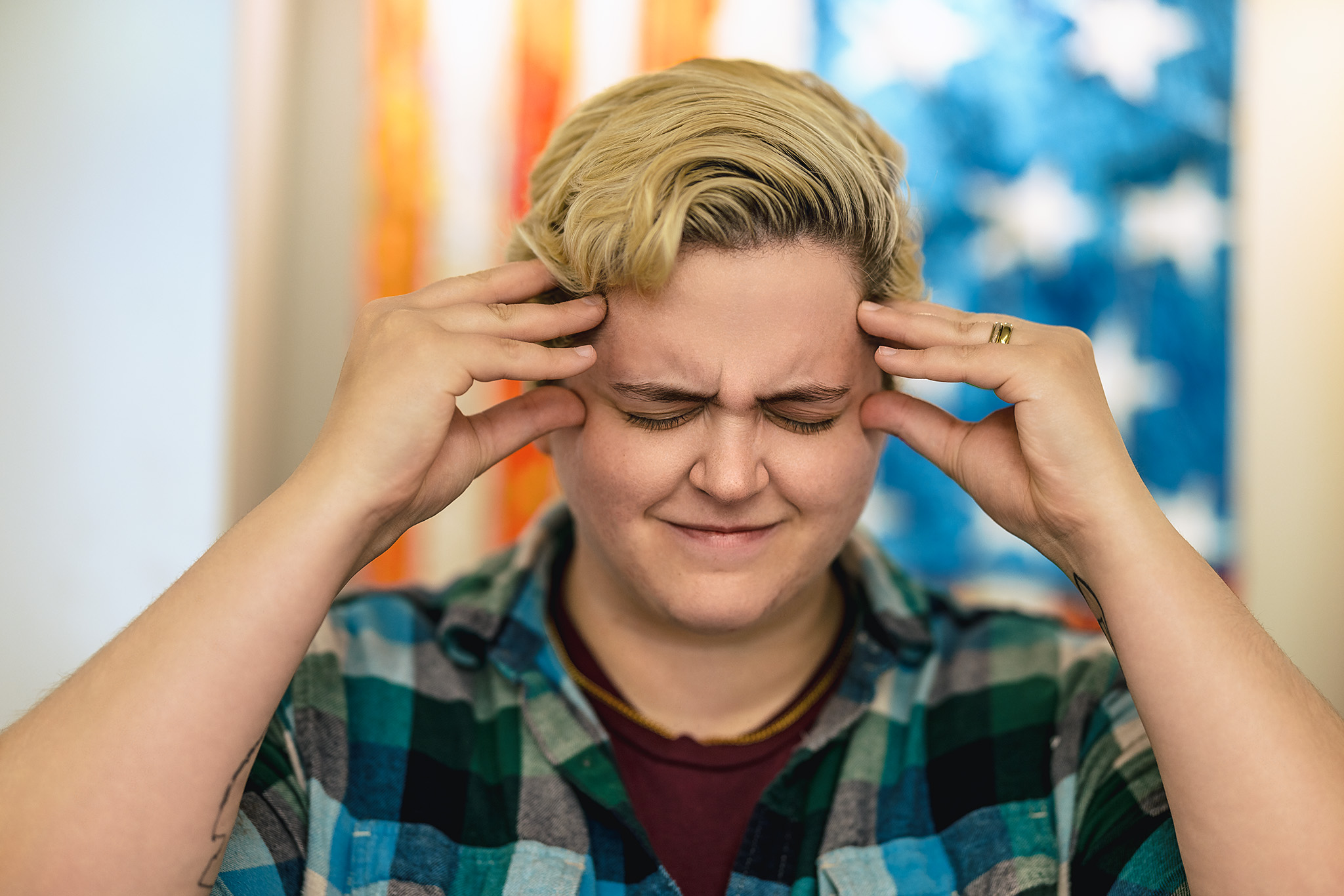
Three exercises to help with tension headache are neck stretches, using a peanut, and relaxation techniques.

Tension headaches can also be thought of as stress headaches. This can be related to any type of stress: new job, financial difficulties, childcare duties, or difficulty with sleeping. These stressors cause an increase in muscle spasms and overuse of neck musculature. The pain is usually on both sides of your head and feels like a tight band that is constantly throbbing.

Three exercises to relieve tension headaches:

  1. Neck stretches: start by sitting with your left hand tucked underneath your left thigh. Bring your right ear to your right shoulder, turn and look down towards your right armpit, and then look up to the right. Return to center. Perform 10 times on each side.


  1. Peanut stretches: start by laying on your back with the peanut underneath the base of your skull. Lay there for 60 seconds. Move the peanut down your neck an inch or two, and again lay for 60 seconds. You can keep moving the peanut down from your neck towards the middle of your back. Peanuts are available for purchase online at the Rose store.


  1. Breathing Techniques: start by laying on your back in a calm environment. Place one hand on your chest and one hand on your belly. Focus by breathing in and out of your belly; the hand on your chest should not move. Breathe in for 4 seconds, hold for 4 seconds, and then breathe out for 6 seconds. Perform this breathing technique for 5 minutes.

The main goal of these exercises is to promote both muscle and full body relaxation. These exercises are things to always keep in your back pocket and use throughout the day, before life stressors increase and tension headaches come back. The neck stretches can be performed at any time during the day: between work meetings, sitting on the metro, or even waiting for your waiter to bring you a drink during bottomless brunch. If you’re short on time, you can use the peanut and breathing techniques simultaneously.

If after two to four weeks of the exercises above and trying to hone in on stressful triggers, it may be time to come in for physical therapy. Here at Rose our clinicians at our offices on Capitol Hill or in downtown Washington, DC are certified in trigger point dry needling, as well as able to perform active release techniques and instrument assisted soft tissue mobilization. All treatment sessions are one-on-one with your treating therapist, giving you peace of mind that you’re being cared for and cared about by our team.

Read more about Relief from tension headaches
Video Embed
Video URL

What is blood flow restriction training in physical therapy ">What is blood flow restriction training in physical therapy

Blood flow restriction (BFR) training is a technique that uses a cuff to restrict venous blood flow, while continuing to allow arterial flow to produce significant muscle strength gains. BFR training has been employed in recent years with growing popularity due to the significant improvements in strength that can be made; especially when used with certain populations that have some difficulty performing high load exercises that are traditionally used to build strength.

In high load exercise training, it is recommended that one is training at weight that can near 80% of the one repetition max (the highest amount of weight that can be lifted one time.) This high load is then performed with relative low repetitions in multiple sets to achieve muscle growth and improvements in strength and function. For many people this is a reasonable approach and works well to foster strength, however there are groups where the use of a high load is not as feasible due to pain or weakness amongst other reasons.  

The alternative for those groups where using a high load is not possible is to usually reduce the load to such a degree that the exercise can be performed with increased repetitions, however this is not the most effective manner at eliciting muscle growth and often will not produce the same improvements in strength and ultimately functional performance.  BFR can act to fill in the gap by creating conditions for muscle growth that can produce results that are more similar to that which is achieved in the traditional high load training without the use of the heavy load.

BFR training differs from traditional high load, low rep strength training in that it uses a very low load with a high number of repetitions over a few sets to produce similar strength improvements. This use of a lower load can be particularly useful in certain populations, particularly in an orthopedic physical therapy setting treating those following an acute injury, post-op, or those suffering with muscle loss due to normal aging factors. In these groups there can be one or multiple factors that make using a high load less ideal, such as pain levels, weakness, limited range of motion or a combination of all three. The implementation of BFR training in these groups could potentially allow for greater strength gains than would not have been possible without BFR training and ultimately improve functional outcomes and performance at the end of treatment.

BFR training offers an exciting new tool to further help promote and improve the function of patients and to help them return to their desired outcomes sooner, and hopefully stronger than possible without it. We use BFR at Rose Physical Therapy offices in Washington, DC to help our clients return from injury quicker than ever before. If you are interested in speeding up your recovery with BFR, reach out to our offices at Navy Yard and Capitol Hill, or at Dupont Circle and Farragut Square in downtown DC. All of Rose physical therapists are skilled in use of BFR so no matter which PT you see, you can have access to this special tool in your own recovery.

Read more about What is blood flow restriction training in physical therapy

Fastest most effective training to return to sport ">Fastest most effective training to return to sport

As physical therapists working with many motivated, athletic people around Washington, DC, we are always looking for the most efficient ways to help clients recover and build strength quickly but safely so they can return to sport or even just daily life activities.

Blood flow restriction training is the most efficient addition to regular strength training. It produces very fast strength gains through hypertrophy of muscle, or increased muscle size, without high weights or workload.

How BFR works

Blood flow restriction uses repetitive bodyweight movements such as squats, calf raises, curls, and other exercises with no external weights to build muscle in the same way as someone would if he or she was lifting weights at a one rep max.

BFR can make a big difference for pt because in physical therapy because we treat many post-surgical clients who may not be cleared to fully weight-bear or may have other movement restrictions. Also, our clients may be too weak to use weights, and body weight activities may be the best thing for them as they recover. BFR provides a viable solution to get them well quickly and effectively.

Using blood flow restriction for this population and others who experience slow muscle building, muscle atrophy, or simply athletes who want to improve performance in their sport is very helpful and shortens the recovery process.

When to use BFR

When we use blood flow restriction as a therapist, the surgeon is always surprised by the progress made in such a short time. We have observed this many times in trainig for return to sport after knee surgeries.

If you have experienced surgery or injury and need to build strength fast or return to sport quickly, or just recover from injury quickly, BFR at Rose Physical Therapy can make a tremendous difference in your recovery process. At Rose Physical Therapy we offer BFR at all our clinic locations in Washington, DC in both Navy Yard/Capitol Hill and also in downtown DC between Dupont Circle and Farragut Square. Keeping our clinics on the cutting edge of physical medicine and rehab science is central to our mission, so when we find recovery methods that are quicker and also effective, it is natural for Rose Physcial Therapy to incorporate these methods into our treatment methodology.

Read more about Fastest most effective training to return to sport

Categories

  • Running
  • Back Pain
  • cycling
  • MacKenzie MDT
  • triathlon
  • sprain
  • ergonomics
  • lacrosse
  • Breathing
  • Trigger point dry needling
Three advantages to using Blood Flow Restriction (BFR) after surgery
High Profile: Rollin' with the Casserole Queens
Do I have pelvic floor dysfunction?
Home

Quick Links

Quick Links

  • Home
  • Why Rose
  • Team
  • Locations
  • Blog
  • Store
  • Contact Us

Farragut Square/Dupont Circle

1725 DeSales St. NW, Suite 830, Washington, DC 20036

Capitol Riverfront

1015 Half St. SE Washington, DC 20003

Friendship Heights

5225 Wisconsin Ave NW Suite 202, Washington, DC 20015

Contact Us

P: (202) 630 0378 F: (855) 350 5613  
E: appointments@rosept.com

Copyright © Rose Physical Therapy  . All rights reserved.
Privacy policy
Terms of Use